Things to know about AI recruiting software

Things to know about AI recruiting software

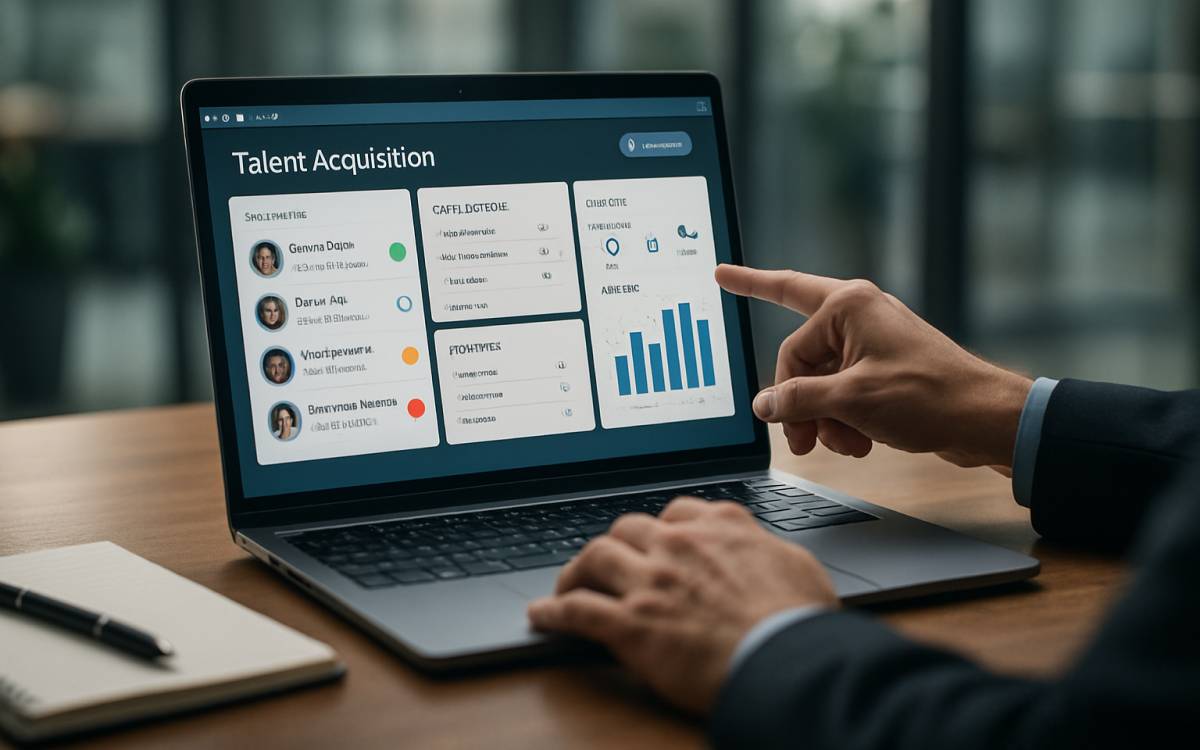
The hiring process has undergone a massive change over the last few years. Many organizations across the world have moved from using physical files to operating cloud-based recruiting platforms on computers. Some have even taken a step further by introducing AI recruiting systems in the workspace. This is the latest software with built-in AI that helps hiring managers with tasks like sourcing, screening, and communication, saving a lot of time.

What is an AI recruiter?

AI recruiters are digital tools that use automation and machine learning to help hiring managers with everyday processes, such as finding candidates, reviewing resumes, coordinating interviews, and sending follow-up messages. They also help organize information and automate repetitive tasks. However, unlike how it appears, AI recruitment solutions do not take over the entire hiring process. The final hiring decision remains in human hands.

Automated AI recruiters do not work as separate systems. Instead, they are connected to applicant tracking tools, calendars, email, and work chat apps that organizations already use. The AI hiring tools are designed to fit into the organization’s existing digital workflows, making recruiting more seamless and streamlined.

How do AI recruitment solutions help?

Workspace AI recruiting systems support numerous aspects of the hiring process, which helps the organization in several ways.

Smarter sourcing and talent discovery

AI recruiting tools scan job boards, internal databases, and professional profiles to find candidates who have the skills and experience that match open roles. The best AI recruiter platforms also help rediscover applicants from previous searches, creating a reusable pool of talent rather than starting over for every new position.

Faster screening and shortlisting

Many AI systems use resume parsing and scoring to compare candidate details with job requirements. They then create shortlists, which a human recruiter can quickly review. This helps manage large volumes of applications and filter out candidates who do not meet the required criteria.

Insights and reporting

The dashboards of most AI recruiting platforms track metrics, such as time-to-fill, a candidate’s performance on different sourcing channels, and how they have moved through stages. Using these reports, HR teams can refine job postings, adjust their outreach strategies, and improve interview processes.

Streamlined communication and scheduling

The top AI hiring assistant software can send status updates and reminders and reply to common candidate questions through email, text, or chat channels. They can also check meeting calendars, suggest available interview time slots, and update interview invitations.

Types of AI recruiter platforms and tools

AI recruiter tools for workspaces can be classified into different types. Each type differs based on how many stages of the hiring process it handles and how well it works with the other workspace applications already in use.

End-to-end AI recruiting platforms

Platforms like SmartRecruiters and Workable are end-to-end recruiting platforms. What this means is that they help with all the tasks involved in hiring. End-to-end platforms offer features, such as applicant tracking, candidate relationship management, sourcing, and analytics through a single system. Also, they have a single, well-organized dashboard to track the entire process and keep hiring data organized. 

Sourcing and outreach tools

Tools like hireEZ, Gem, and SeekOut find potential candidates by scanning social networks, external databases, job boards, and existing talent pools using AI. They do this by analyzing keywords and the applicant’s skills and experience to suggest matches that may not appear in a standard search.

AI hiring assistants and chat-based tools

Tools like Paradox and HireVue are better for streamlining communication between the candidates and the hiring team. They screen questions, send automatic replies, and post status updates through chat or SMS. Some chat-based tools also guide candidates through basic application steps and record important information before a recruiter steps in. 

Popular Articles

01

Private workspace cubicles – Benefits, types, and layouts

Knowing how to collaborate with team members and maintain individual focus is crucial in a workplace. This can be achieved through a workspace and layout that support teambuilding and personal productivity. Open spaces can be noisy and cause distraction, while a closed-off space can disrupt team harmony and productivity. So, what can be done? Reimagining the office layout to include private workspace cubicles can boost productivity. Before choosing a cubicle setup, it is important to consider a few things. Reasons to adopt private cubicles in offices Noise reduction Cubicles help dampen sound and reduce the ambient noise levels in a workplace. Their high panels, enclosed layouts, and acoustic materials reduce sound transmission caused by conversations, calls, and work equipment. A quieter environment makes it easier for employees to focus on their tasks and finish them quickly and without errors. Visual privacy The walled panels in cubicles provide visual separation to employees and limit interruptions and unwanted distractions they may otherwise experience. Many offices have enclosed or high-panel designs to prevent constant eye contact between workers and to break the flow of focus when movement occurs in the background. This relative isolation helps individual workers feel more comfortable and allows confidential discussions without constant visual interference from others.
Read More
02

Real estate options for an office space

Choosing the right office space is not an easy task nowadays. The industry, type of business, and the product or service being offered are some deciding factors that can come into play when buying or renting a commercial space. So, determining the type of space needed and its current and future requirements is essential. Additional considerations include recurrent costs, location, facilities, and the length of lease one is willing to sign. Types of real estate for office space Retail space This type of real estate space offers businesses an opportunity to establish themselves in a common public-facing area. Whether buying or leasing, these spaces provide a private entrance for visitors/customers, creating a welcoming environment. They are ideal for grocery stores, convenience stores, boutiques, or consultation spaces. Additionally, retail spaces are beneficial for service-based businesses, such as beauty and nail salons and car rental agencies. Office space Every company, regardless of its size, requires an office space in some capacity. This space supports functions like management, finance, sales, customer service, and other administrative tasks. Unlike retail spaces, office spaces are typically designed for walk-in traffic, but they can be configured to meet specific needs.  The office layout can also be customized based on the kind of product or service the organization provides.
Read More
03

5 tips to start advertising online

Digital advertising has become an important tool for growing any business today. With more people spending time online, ads on search engines, websites, and social media have, in a way, replaced billboards. With online advertising, brands have a better, faster way to reach their target audience. That said, with so many platforms, formats, and strategies to choose from, digital advertising can feel overwhelming for beginners. But with the right plan, it becomes easier to navigate. Determine the goal of the ad campaign A successful ad campaign, whether online or offline, starts with one very important thing: a clear goal. There is a reason why almost all beginner guides to online ads emphasize this step. Without a definite goal, an ad campaign would lack direction. The audience would not know what is being offered or what action they are expected to take.  In online advertising, the aim of a campaign can be one of three things: generate leads or sign-ups, build brand awareness, or drive sales or conversions. Each of these objectives requires a different approach, platform, and budget. So, setting a goal early helps avoid confusion and waste of money and resources. Identify and understand the audience The next step would be to identify the target audience.
Read More